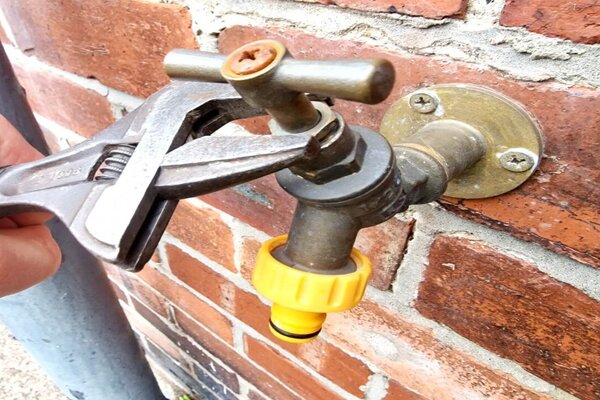
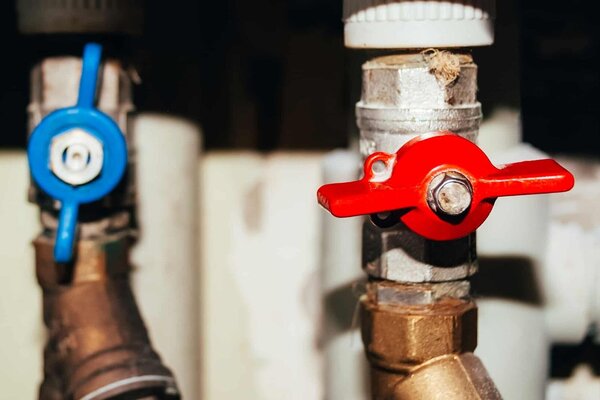
A dripping tap might seem harmless, but here’s the kicker: one that drips just 30ml per minute wastes over 15,000 litres a year. That’s about 197 bathtubs of water gone. But beyond the wasted water and rising water bills, a leaking tap could be your home’s way of flagging a much bigger water pressure problem.
When pressure is too high, it can sneakily strain your entire plumbing system, triggering leaks, burst pipes, and damage to appliances. It’s not just about worn seals or a clogged aerator it could be a serious problem linked to high water pressure.
Here’s how to know what’s really going on.
What Causes a Tap to Leak?
Dripping taps are frustrating, but the root cause isn’t always obvious. Often, it’s something simple like worn-out washers or a loose fitting, but there’s more beneath the surface.
Corrosion, mineral deposits, and poor installation can all lead to plumbing leaks. Even a single leaking faucet might point to issues throughout your home’s plumbing.

But one often overlooked culprit? High water pressure. If your water supply pushes through your pipes above safe limits, it can wear out tap components much faster. The result? Ongoing leaks, noisy pipes, and pressure issues throughout the home.
Unlike visible damage, pressure problems are sneaky. You might replace the tap washer, only for it to start leaking again. That’s because the underlying issue, too much pressure, is still putting stress on your plumbing system.
Understanding the right solution means looking beyond what’s obvious. Sometimes, it’s not about the tap at all; it’s your home’s water pressure that’s out of whack.
How Much Water Pressure Is Too Much?
In Australia, standard residential water pressure sits comfortably between 350 and 500 kPa.Anything above that? You’ve got high water pressure, and that’s bad news for your home’s plumbing system.
When water pressure starts climbing over 500–550 kPa, it doesn’t just blast out of your taps with force. It slowly causes plumbing issues, from worn-out fittings to shorter lifespans on appliances like the washing machine, hot water heater, and even water heaters.
Over time, high water pressure can wear down your pipes, leading to leaks, hidden leaks, and even pipe bursts. The strain also speeds up mineral deposit build-up, reducing water flow and increasing the risk of clogged aerators.
If you’re frequently washing dishes and the water running is too forceful, or your cold water sprays like a pressure cleaner, your plumbing system might be under stress.
Keeping your water pressure within safe limits is essential. That’s where a pressure regulator or pressure reduction valve becomes crucial not just for comfort, but to avoid costly repairs down the line.
Warning Signs That Your Home’s Water Pressure Is Too High
There are several common signs that your home’s water pressure is creeping past the safe zone and ignoring them could lead to further damage.
If your leaking taps keep returning, even after new parts are installed, it’s a clear red flag. So is a sudden banging sound in the walls. That noise? It’s called water hammer, and it means pressure is rattling your pipes hard.

Here are some other telltale signs:
- Water spurting or splashing aggressively from taps
- Constantly leaking toilets or random bursts of water running
- Fast wear-and-tear on appliances like the washing machine or hot water heater
- Fluctuations in water flow, especially in showers or one fixture
- Appliances need repairs more often than expected
These symptoms don’t just indicate annoyance, they suggest a pressure issue that’s affecting the entire system. Left unchecked, it can lead to plumbing leaks, burst pipes, or damage that’s hard to spot until it’s too late.
Even low water pressure can occasionally occur as a side effect, especially when the shut-off valve or pressure regulator reacts unpredictably to spikes.
Don’t assume it’s just your taps playing up. These signals are your plumbing system waving a red flag. Spotting them early could save your home from major water damage and unnecessary stress.
How to Test Your Water Pressure at Home
Wondering if your water pressure is too high? Here’s an easy fix use a water pressure gauge, which you can pick up at your local hardware store.
To test, simply attach the gauge to an outdoor tap, turn the tap on fully, and check the reading. Ideally, it should sit below 500 kPa. If it’s climbing above that, you’re entering high pressure territory.
Want a more accurate reading? Test your home’s water pressure at different times morning, afternoon, and evening. Water flow often changes during peak demand.
Keep an eye on fluctuations. If the numbers swing wildly or if you’re seeing consistently high readings, your plumbing system could be under strain.
Also, reach out to your water provider, they may offer pressure data or advice specific to your suburb. It’s worth checking before jumping to conclusions.
Testing your pressure is the first step in understanding what’s happening behind the scenes. And if the results are off? You might need a water pressure regulator to bring it back to safe limits.

Don’t Make This Common Mistake
Many homeowners go straight to replacing washers when they spot leaking faucets, but this quick fix doesn’t solve the root cause.
If pressure is too high, no amount of part swapping will stop the leaks. You’ll be stuck in a loop of dripping taps and repeated plumbing issues, never realising the real culprit is lurking in your pipes.
This short-term approach might seem like the right solution, but ignoring your home’s water pressure could lead to serious pressure problems, including costly repairs, damaged appliances, and even pipe bursts.
Don’t fall into the trap. A leaking tap isn’t always what it seems it might be your system’s way of saying “help!”
Prevent the damage early and tackle the water pressure problem before it spreads across your home’s plumbing.
What to Do If You Suspect High Pressure
If you suspect high water pressure, it’s time to act fast. Start by calling a licensed plumber who can inspect your plumbing system and measure pressure levels accurately.
If needed, they might recommend installing a pressure reduction valve or water pressure regulator to bring your system back into balance.
Routine checks on your taps, hot water heater, and pipes can also help prevent unexpected plumbing leaks or a shorter lifespan on your appliances.
Don’t wait until there’s water damage or a full pipe burst to address the issue. A proactive approach saves you stress and money in the long run.
Ongoing monitoring of your home’s water pressure ensures everything stays within safe limits and helps keep your plumbing running smoothly.
Tap Leaks Aren’t Always What They Seem
Not all dripping taps are caused by old washers or worn seals.
Often, the real issue is high water pressure, quietly wreaking havoc on your home’s plumbing. It can cause leaks, strain pipes, and damage your hot water systems and appliances without you even knowing.
Spotting the signs early can help avoid further damage and costly repairs. A simple test or check-in with a licensed plumber could make all the difference.
When Every Drip Tells a Story
Each drip from your tap might be telling you something more serious is happening behind the scenes.
While it’s tempting to brush off a small leak, high water pressure could be quietly damaging your plumbing system, one drop at a time. That means more than just wasted water it’s risking your pipes, appliances, and wallet.

So instead of guessing, get it checked. A pressure regulator or professional diagnosis can stop the problem in its tracks and prevent more water pressure issues down the road.
If you’re seeing common signs of high pressure, it’s time to act. Don’t let a simple leak turn into a serious problem.
Get peace of mind with expert help. our team at Fixed Today are a trusted professionals when it comes to leaking taps, plumbing issues, and fixing high water pressure.