Noticing a sudden drop in water pressure at home? You’re not alone. It’s easy to blame dodgy taps, ageing metal pipes, or even your water supply, but sometimes the issue lies much deeper within your plumbing system. One surprisingly common issue? A blocked drain.
Drain blockages don’t just mess with how quickly water leaves your sink they can also interfere with how it flows into your home. That’s right. A clogged drain can affect your entire plumbing system in ways that are often overlooked.
This article breaks it all down. You’ll learn how clogged drains impact water pressure, how to spot the early signs, what else might be causing low water flow, and why ignoring the issue can lead to significant damage. Plus, we’ll look at practical solutions and tips to prevent future problems.
How a Clogged Drain Interferes with Water Pressure
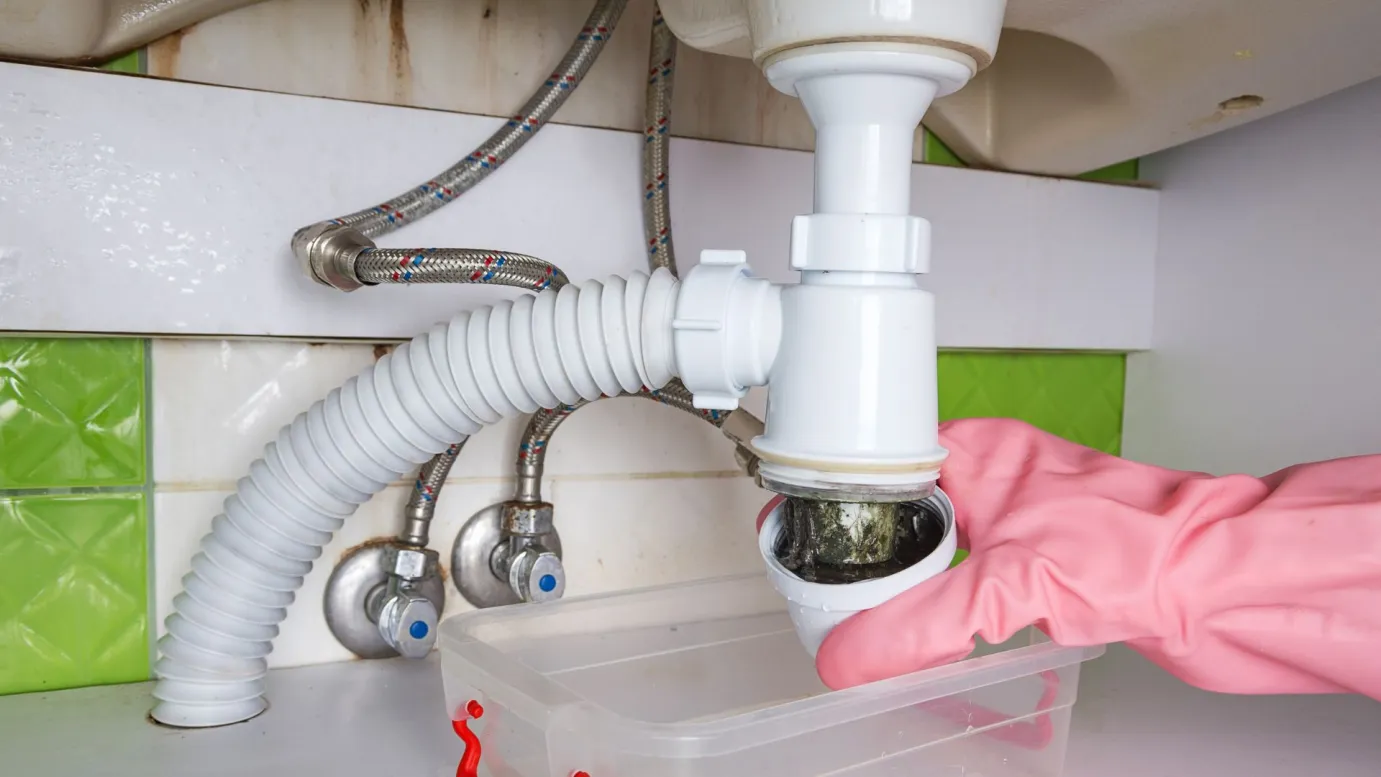
Your plumbing system is designed to balance water pressure and flow through a network of pipes, drains, and vents. When everything works properly, water flows smoothly through your fixtures like shower heads, washing machines, and taps. But when there’s a blocked drain, that balance gets thrown off.
Here’s how it happens. Drain pipes rely on proper venting to maintain steady pressure. When blockages form often from grease, organic debris, or tree roots air can’t move freely through the system. This leads to pressure build up in one area and low water pressure in another.
Drain clogs also create resistance in the system. That resistance can reduce proper water flow, causing inconsistent pressure across fixtures. For example, your bathroom tap might be fine, but your kitchen sink has a slow trickle. This unevenness is often one of the first signs of a blockage.
Backflow is another issue. When a drain is blocked, water can be forced back up into pipes rather than draining out. Over time, this can damage plumbing fixtures and even create slow leaks inside your walls. In older homes with metal pipes, corrosion from trapped water adds another layer of risk.
It’s the kind of problem that can sneak up on you. By the time you notice slow drainage or low water pressure, your plumbing could already be under strain.
Common Causes Your Water Pressure Problem Is Due to a Blocked Drain
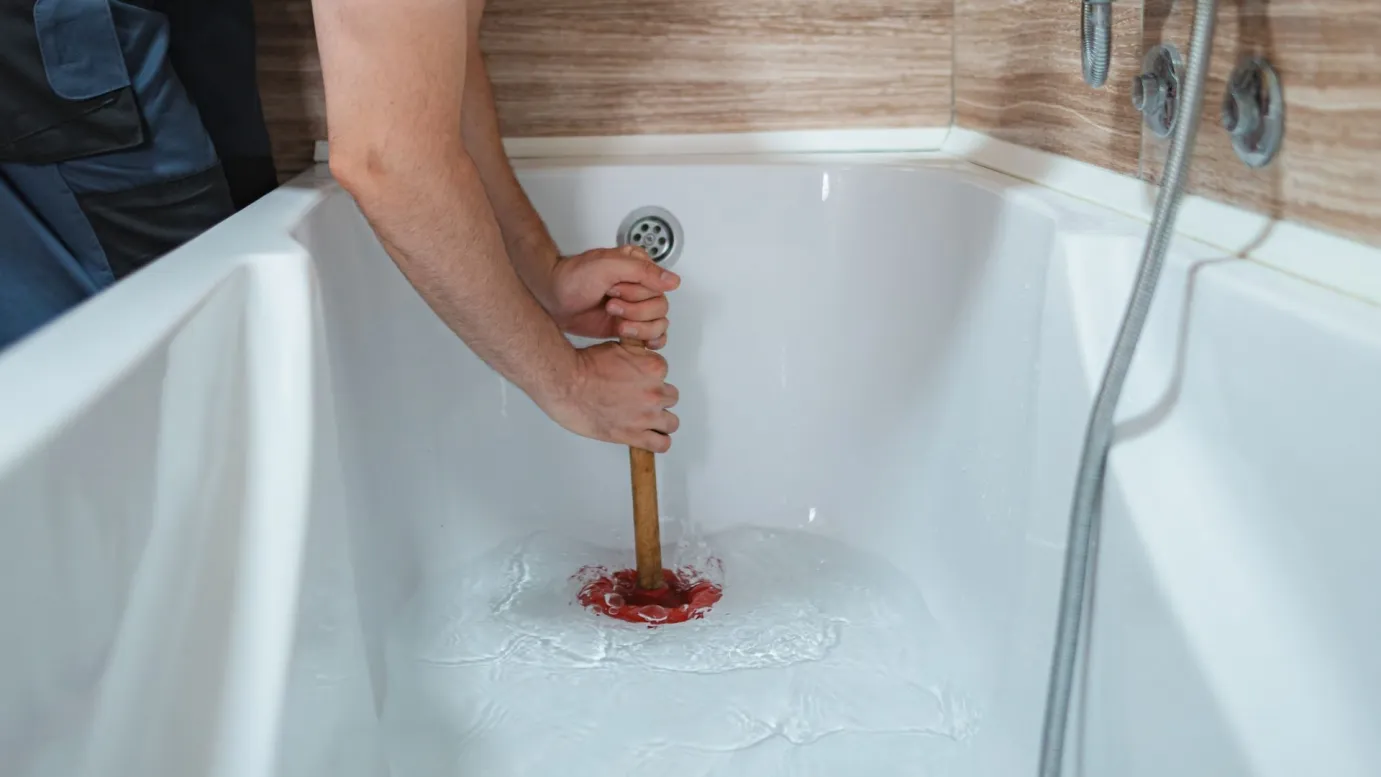
Low water pressure can be caused by many things, but there are tell-tale signs that point to a clogged drain.
Slow Draining Fixtures
A slow draining sink or bathtub that doesn’t clear properly is often one of the first signs of a blocked drain. It suggests water is struggling to pass through the drain pipes due to a build up of grease, debris, or tree roots.
Gurgling Sounds in Pipes
Hearing strange gurgling sounds coming from your pipes or drains? That’s usually caused by trapped air escaping around a clog, disrupting the water flow and pressure balance.
Unpleasant Odours from Drains
Foul smells rising from your drains can indicate a build up of organic debris or sewage caught in the pipes. This creates a breeding ground for bacteria and increases health risks.
Water Backing Up in Fixtures
If water starts coming up in the shower when you flush the toilet or backs up in the laundry sink when you use the bathroom tap, it points to a blockage deeper in the plumbing system.
Inconsistent Water Pressure
Noticing strong pressure in one tap but barely a trickle in another? Uneven water pressure across plumbing fixtures can be caused by hidden drain clogs interfering with flow.
Wet Patches Around Outdoor Drains
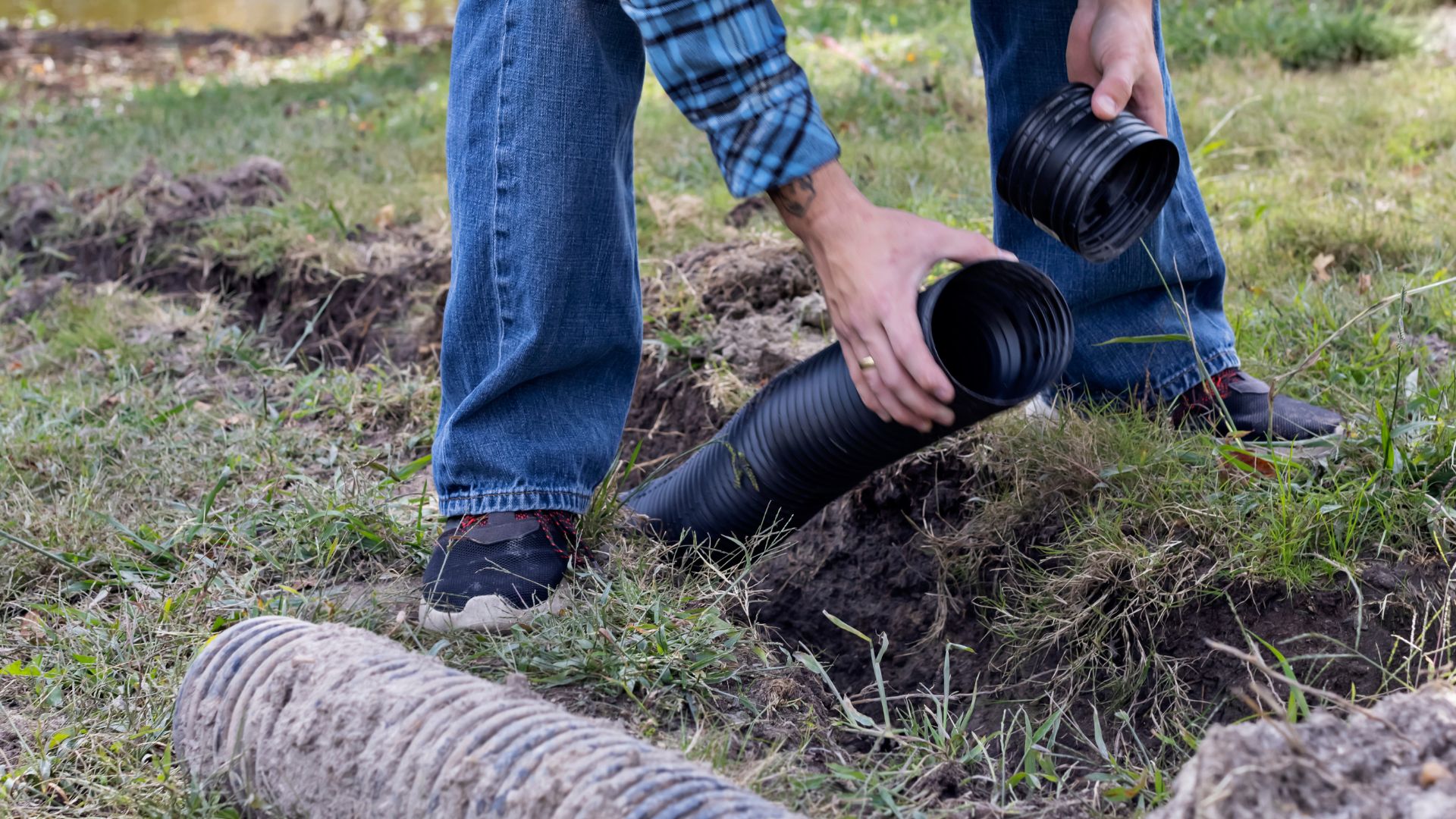
Pooling water or damp spots near outdoor drains may signal a collapsed pipe or blockage underground, often due to tree roots or significant build up inside the line.
Spotting these early signs can help prevent costly repairs and more serious plumbing problems down the track.
Other Plumbing Issues That Affect Water Pressure
Drain clogs aren’t the only cause of pressure problems. Understanding the other common causes can help you rule out issues and act early.
Pipe leaks, often hidden behind walls or under floors, can slowly drain water pressure. These slow leaks not only waste water but can also lead to mould growth and pipe damage.
Sediment build up in older or hard water areas clogs water pipes and taps, reducing flow. Faulty pressure regulators, commonly found near your water meter, can also throw the balance out.
Then there’s ageing plumbing. In older homes, metal pipes may suffer from corrosion, especially lead or galvanised pipes. Poor installation or mismatched fittings can also cause inconsistent pressure across your entire plumbing system.
Before you try any fixes, it’s crucial to identify the actual source of the issue and not just guess. A licensed plumber can help with that.
What Happens if You Ignore a Blocked Drain
A blocked drain might seem like a minor issue at first, but letting it go can cause a chain reaction in your plumbing system.
One of the first things you’ll notice is a gradual decline in how well your plumbing fixtures perform. Low water pressure becomes the new normal. That added strain can lead to a burst pipe or slow leaks, causing water damage behind walls or under floors.
Blocked drains often create a breeding ground for bacteria, leading to unpleasant odours and potential health risks. Mould growth becomes likely, especially in areas with trapped moisture like the bathroom or laundry.
Your appliances, including washing machines and taps are forced to work harder with reduced water flow. Over time, this shortens their lifespan and leads to more costly repairs.
Ignoring early signs can turn a simple blockage into a major plumbing nightmare.
Effective Solutions for Drain Blockages
When dealing with a blocked drain, knowing when to call a professional plumber can save you serious hassle.
If you notice minor issues like a slow-draining sink, a DIY flush with boiling water and baking soda might help clear early blockages caused by grease or organic debris. But if you see water backing up, gurgling sounds, or persistent odours, it’s time for professional drain cleaning.
CCTV inspections help locate hidden blockages without digging, while high-pressure jet blasting is a safe, effective way to clear tough clogs. Avoid chemical drain cleaners they can damage pipes and aren’t safe for your plumbing system.
Not every drain issue can be fixed with a plunger, so don’t wait too long to get help.
Preventative Tips to Avoid Future Issues
A bit of regular maintenance goes a long way in keeping your drains flowing freely.
- Clean drains regularly with hot water or baking soda to reduce build up
- Never pour grease or food scraps down the sink
- Use drain guards in showers and sinks to catch hair and debris
- Schedule annual plumbing checks with a licensed plumber
- Be mindful of what goes into toilets and outdoor drains — no wipes, hygiene products, or yard waste
Taking care of your plumbing system helps maintain proper water flow and avoid costly surprises later.
When the Flow Slows, It’s Time to Act
A blocked drain might start as a minor inconvenience, but left unchecked, it can impact your entire plumbing system — reducing water pressure, damaging pipes, and increasing health risks in your home. That’s why it pays to act early and choose a trusted expert who can get things flowing properly again.
Wondering why Fixed Today is the best blocked drain service in Sydney? It comes down to experience, reliability, and results. With a proven track record across the city, Fixed Today has earned a reputation for fast diagnosis, advanced drain cleaning methods, and long-lasting solutions that protect your plumbing system from recurring issues.
What makes Fixed Today a trustworthy blocked drain specialist isn’t just their technical know-how — it’s their commitment to honest service, clear communication, and treating your home with care. From CCTV inspections to jet blasting and expert advice, every step is handled by licensed plumbers who know Sydney homes inside out.
If you’re facing low water pressure, gurgling pipes, or other signs of a blocked drain, don’t wait for the problem to get worse. Choose a team known for doing the job right the first time.
Get in touch with Fixed Today and restore proper water flow throughout your home quickly, safely, and professionally.