Your toilet sees daily use, tasked with handling waste and disposing of it hygienically. With such regular use, common toilet issues can arise. These include a constantly running flush, annoying blockages, base leaks, and cracked cisterns. These are typical headaches many homeowners encounter with their loo systems.
How Do Toilets Operate?
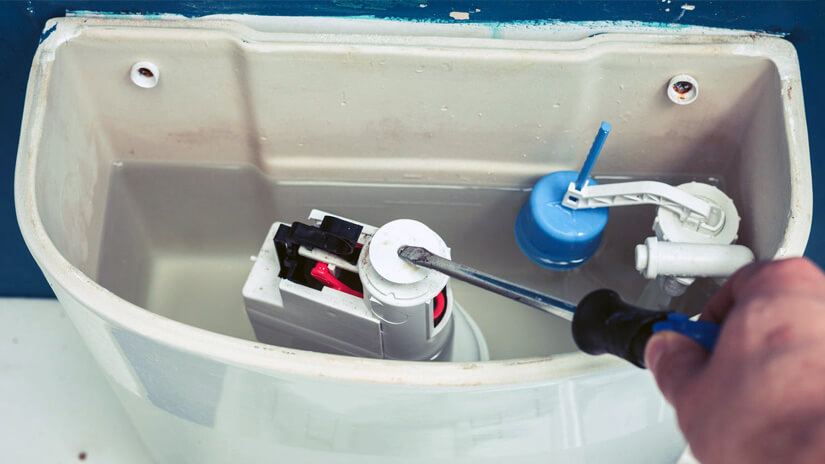
Your toilet system works by taking waste and water into one bowl. When flushed, the mechanism sucks the water and waste down a pipe connected to your sewerage drain. Your toilet is made up of different parts and components. Let’s start with the tank:
- Blush button/handle
- Toilet Flapper
- Float Ball
- Valve
- Overflow tube
- Refill tube or overflow pipe or fill tube
The flush handle links to an arm, which has a chain attached to the flapper. This flapper covers a crucial hole that enables water to channel in and out of the bowl. Meanwhile, a float ball associates with the flush valve.
To flush the toilet mechanism, you pull on the handle or chain. This will draw on the flapper, open the hole, and allow water to drain into the bowl. When the water level gets low, the toilet flapper will close due to insufficient water supply and not trigger the flapper.
The float ball sits on top of the water, so when you flush the toilet and the water level begins to drop, the column float attached to both the valve and flapper chain will open up. Water from the water supply will then start to refill the tank. This is because the float valve is open and filling the tank again.
Why Does My Toilet Keep Running?
It can happen that when you flush, the water keeps running in your toilet bowl. When a toilet doesn’t stop running after a normal flush cycle, it can be frustrating to hear a constant trickle of water. If you think of a running toilet as an internal leak, inspect the parts inside the tank and examine their condition. There are a few common causes for a running toilet:
- Cracked or faulty toilet flapper
- The toilet flapper chain is too long or short
- Float ball too big or small
- The flush button or lever is stuck or loose
5 Tips To Stop A Toilet From Running
If you wish to investigate the issue with a running toilet, there are some tools you will need. Tools for your running toilet can be purchased at your local hardware store:
- Cutting Pliers
- Flathead and Phillips screwdriver
- Pliers
- Replacement fill valve
- Replacement of toilet flapper
If you’re up for some basic toilet repairs, such as stopping a running toilet, follow the straightforward steps below to tackle the leaks.
Turn off the water supply.
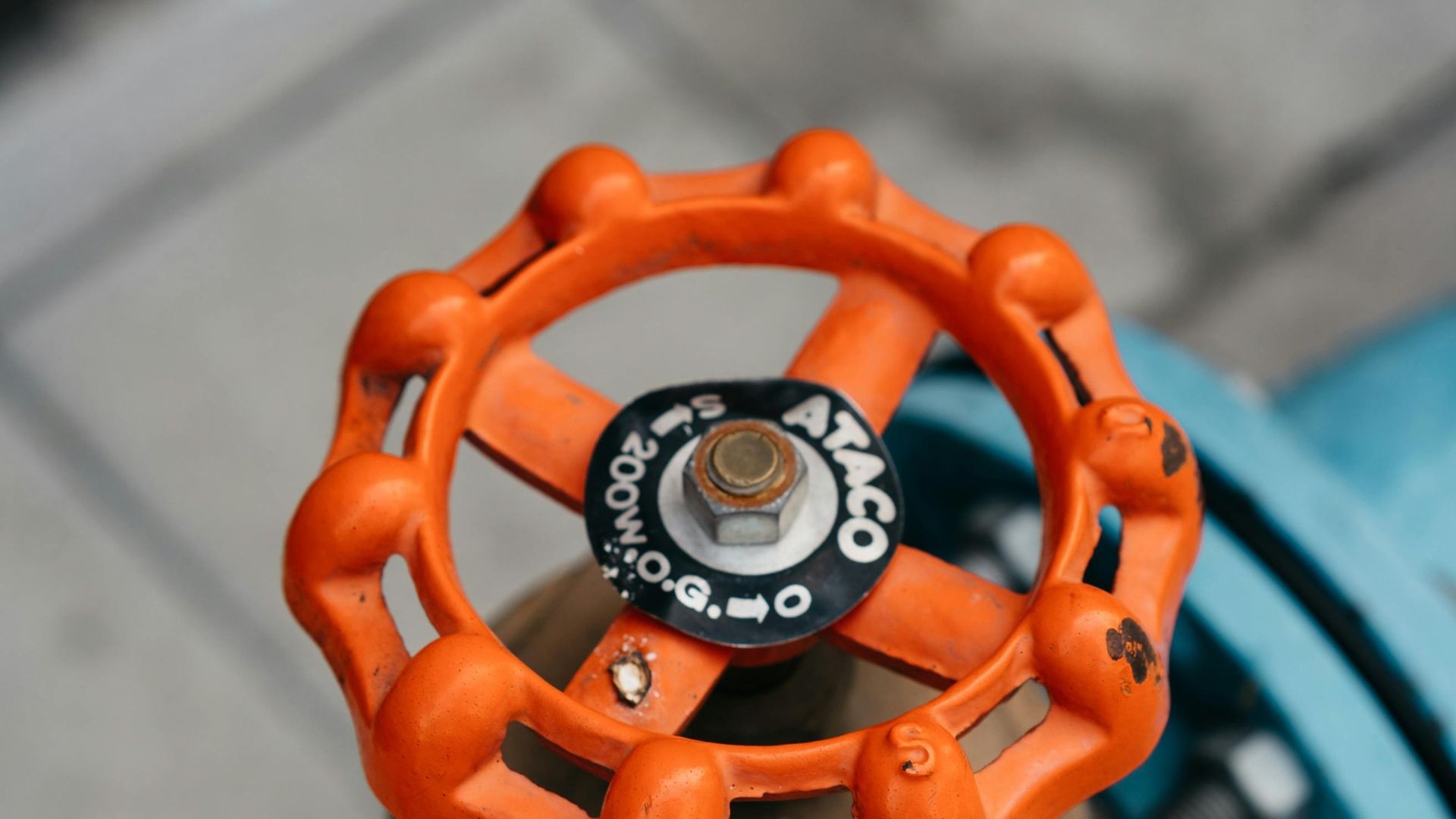
Before diving into fixing your toilet constantly running, it’s essential to cut off the water supply. You’ll find the shutoff valve beneath the toilet bowl. When tackling any bathroom repairs, stopping water constantly flowing in or out of the toilet tank is a must to access components like the flush valve assembly, toilet fill valve, and float mechanisms. Make sure there’s no leftover water before you start.
Inspect the fill valve
You need to lower the float ball to stop the weak flush and ensure a proper seal. The float arm should be straight and attached to the brass rod and toilet fill valve. If the ball is loose or not aligned with the mechanism, it needs replacing. Consider using an adjustable float for more precise control. The lift rod must allow the flapper to align with the flush valve opening correctly. You can adjust the rod or purchase a new flapper for a reliable seal.
Inspect the float arm and lift rod
You need to lower the float ball to stop the weak flush and ensure a proper seal. The float arm should be straight and attached to the brass rod and toilet fill valve. If the ball is loose or not aligned with the mechanism, it needs replacing. Consider using an adjustable float for more precise control. The lift rod must allow the flapper to align with the flush valve opening correctly. You can adjust the rod or purchase a new flapper for a reliable seal.
Check the level of water in the tank.
Keeping the toilet tank water level 2.5 cm to 5 cm below the overflow tube height is best. If you need to adjust the height of the water inside the cistern, locate the adjustment screw on top of the float. Turning the screw left will lower the float and reduce the height of the water in the bowl, helping it close properly and reduce the chance of running water.
Inspect the toilet flapper
Make sure to stop any water flow before carrying out this next step. The flapper must form a proper seal over the flush valve opening, or water will keep running. Cleaning the flapper will help determine if it’s working correctly. Remove the old flapper and replace it with a new one from your local home improvement store.
If you still notice issues like a blocked toilet or water constantly flowing, it might be time to call in a plumber to address the root cause professionally. Whether it’s the flush lever, drain pipes, or something more complex, don’t hesitate to reach out for help with all your plumbing needs. A professional plumber can ensure your toilet and bathroom fixtures are working properly and efficiently.
Need a Plumbing Service?
When To Call A Professional
If you’ve made a few trips to the hardware store and still hear that annoying trickle, it’s probably time to ring up an expert plumber. A knowledgeable plumbing team is familiar with toilet mechanics and can handle issues like blockages, leaks, and faulty flush buttons. Your best bet is to get a fully licensed plumber with the skills to resolve a constantly running toilet, swap out parts (such as the float cup, valve seal, toilet flappers, refill valve, etc.), and unclog the toilet efficiently.
If you also encounter other toilet problems besides running toilets, there will be signs you need to watch out for to tell you’re in immediate need of toilet repairs. Pay close attention and listen to any gurgling or suctioning noises from other bathroom fixtures, such as the sink or the shower. If you check the toilet’s metal components and see rust or corrosion, the parts have worn out and need replacement. Don’t delay, for rust spreads throughout multiple parts.
Leaks are the most severe symptoms of a faulty toilet, and you must act as soon as you see them. This will not only prevent skyrocketing water bills, but it can also create further issues, such as water waste, mould, and structural damage.
If you need to flush multiple times to finish the job, there is likely an issue with the mechanism that handles your flushing, clogged water jets and low water pressure. If clogging occurs more than once a week, your toilet might have an issue. Call your trusted expert plumber to repair your Sydney toilet sooner.
Getting Expert Plumbing Help
When you flush the toilet, you expect it to stop running after a few seconds. If the bowl keeps running, other problems could need to be quickly managed. If you don’t fix a running toilet, this may cause issues for different parts of your plumbing system. Also, think of the wasted water and a spike in your water bill.
There are many plumbing companies, but you need to find the right local plumber from a reputable company to solve the problem correctly the first time. You need a trusted local plumber who can solve your plumbing problems correctly and permanently stop a running toilet. Solve your plumbing issues the right way and have a stress-free home again.
If you have any questions or need help with your running toilet, contact us today!