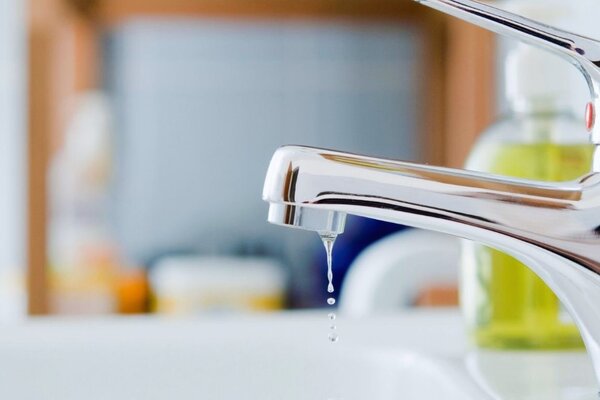
That little drip you’ve been ignoring? It might be doing more damage than you think. A single leaking tap can waste over 12,000 litres of water a year, enough to fill a small pool. But the real trouble isn’t just the wasted water. It’s what that moisture is doing to your kitchen behind the scenes.
Leaking taps might seem harmless at first. A slight drip here, a damp spot there, it’s easy to brush off. But if left unchecked, that slow leak could quietly be wrecking your cabinetry, seeping into your walls, and setting the stage for serious structural damage and mould growth.

In this blog, we’re lifting the lid on how leaking taps can cause long-term damage. We’ll cover the common causes, how leaks silently destroy cabinetry and walls, the early signs to look out for, and when it’s time to get expert help.
How Leaking Taps Begin: Common Causes
Leaking taps don’t usually announce themselves with a flood. Most begin with everydaywear and tear, things like worn-out washers, loose O-rings, or corroded valve seats. If your home’s water pressure is a little too high, or if the tap was poorly installed to begin with, the chances of a leak go up even more.
A tap might start with a drip so slow you barely notice. It may even seem harmless at first, just an occasional plink into the sink or a slightly damp cupboard. But here’s the thing: that slow drip doesn’t stay slow forever. What begins as a minor inconvenience can quickly grow into a major repair job.
Take the classic under-sink leak. It can drip away unnoticed for weeks, especially if you don’t regularly check under the basin. Meanwhile, water quietly soaks into the timber floor of the cupboard, causing warping, swelling, and, eventually, rot. Once the damage sets in, it’s often too late for a simple fix.
The Silent Damage to Kitchen Cabinetry
Kitchen cabinetry wasn’t made to cope with constant moisture. Most cupboards are built using particleboard or MDF, materials that absorb water like a sponge. Even a small leak can lead to swelling, laminate lifting, and weakened structural integrity in a surprisingly short amount of time.
What makes it worse is that cabinetry damage often starts out of sight. It’s not usually until the doors won’t shut properly, or you spot a wave-like ripple along the baseboard, that you realise something’s off. By then, the internal structure might already be buckling.
Let’s say you reach under the sink one day to grab the cleaning spray. Your hand brushes a damp patch, and you notice a faint musty smell. Open the cupboard fully, and the floor started to sag. The surface feels soft under pressure, and there’s a dark patch spreading along the inside panel. That’s not just a leak, that’s a problem that’s been festering for weeks, if not months.
And the damage doesn’t stop at soggy timber. Once water gets into cabinetry, it creates the perfect environment for mould. Not only can this cause more structural damage, but it also brings potential health issues into your home.
Wall Damage: What’s Behind the Paint?
It’s easy to forget that your walls are more than just painted plasterboard. Behind the surface, they house electrical wiring, timber framing, insulation, and plumbing. When water escapes from a leaking tap, especially one connected to a wall-mounted mixer, it can seep directly into these hidden areas.
The first thing you might notice is cosmetic.Paint starts to bubble or peel. A small patch of discolouration appears and slowly spreads. Eventually, the plasterboard begins to warp or sag under the weight of the moisture.
But the real risk isn’t what you can see. It’s what’s happening underneath. Damp framing can weaken the structural integrity of your wall. If the leak reaches any nearby wiring, you’re dealing with a fire risk as well. And then there’s the mould, once it sets up camp inside your wall cavity, it spreads fast.
Mould spores thrive in dark, damp environments. If left unchecked, they can trigger allergic reactions, asthma flare-ups, or worse. And the tricky thing is, by the time you notice visible signs, the infestation could already be widespread.
Early Warning Signs to Watch For
The earlier you spot a leak, the easier it is to fix. Here are some red flags that suggest your tap could be doing more harm than good:
- A faint, musty, or damp smell in the kitchen
- Swelling or softness in cabinetry panels
- Bubbling or peeling paint around taps or under windows
- Water stains or discolouration near plumbing fixtures
- Pools of water under the sink or on the floor
- Doors or drawers that no longer align properly
Don’t ignore your nose, often, the first sign of a hidden leak is asmell.Mustiness is a tell-tale sign that moisture is hanging around where it shouldn’t be.
Catching the problem early can save you hundreds, even thousands, in repairs. The moment you spot something odd, act on it.
Why DIY Isn’t Always the Answer
Grabbing a spanner and tightening a tap might feel like a quick win, but it’s rarely a lasting fix. DIY solutions often deal with the symptom, not the root cause.
Unless you know exactly what you’re looking for, you might miss something critical, like a faulty valve or inconsistent water pressure. Even small missteps like over tightening a fitting or using the wrong washer can make the problem worse, not better.

Then there’s the risk of voiding warranties or insurance. If your handiwork leads to bigger damage, you could be on the hook for the full repair bill. Some leaks are also concealed behind walls or inside cabinetry, places best left to a licensed plumber who can diagnose the issue properly.
In short? A few dollars saved on a DIY job today could cost you thousands down the track.
The True Cost of Ignoring a Leaking Tap
It might start with a drip, but the bill that follows won’t be so minor. Here’s what you could be up for if a leaking tap is left too long:
- Replacement of warped or rotted cabinetry
- Repainting and plaster repairs
- Electrical rewiring (if damage has spread to nearby circuits)
- Mould removal and air quality treatment
- Plumbing system upgrades or tap replacement
And we’re not talking about a few hundred bucks. Full remediation of cabinetry and walls can easily run into the thousands. All from a tap that seemed too small to worry about.
Don’t Let a Drip Destroy Your Kitchen
It’s easy to overlook a leaking tap. You’re busy. It’s just a bit of water, right? But that slow drip could be quietly soaking into your cabinets, creeping into the walls, and inviting mould and rot to move in.
And once the damage sets in, it’s no longer a plumbing issue, it’s a full-blown renovation.
So here’s the nudge you might need: check under the sink. Run your hand along the cabinetry. Take a closer look at that paint blister near the tap.
If anything feels off, it probably is. Get it sorted now, before that little leak turns into a big headache. Contact Fixed today and book your tap repair. Your kitchen will thank you.