As technology keeps advancing, home appliances are becoming more efficient every day.
When buying new appliances, like water heaters, energy efficiency is usually a top concern for many. Traditional water heating systems tend to use a lot of energy to heat water.

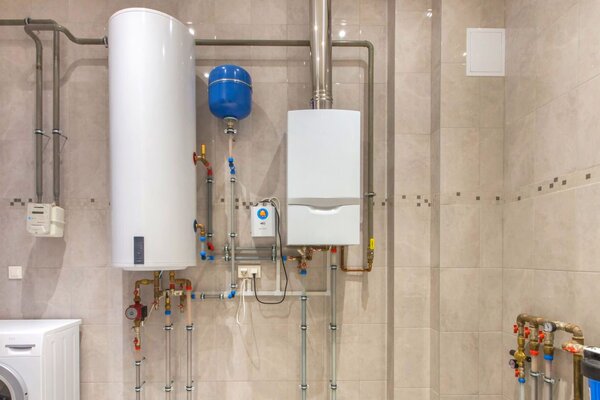
You can choose different hot water heaters that suit your budget and lifestyle. You can choose from the following:
- gas hot water system
- solar hot water system
- electric water heaters
- continuous flow water heaters
- water heat pumps
If you’re wondering how to cut down on your energy usage, the first step is to know how much energy your water heater consumes. This guide will walk you through understanding it. So, shall we dive in?
Electricity Consumption Of A Water Heater
Multiple variables determine the amount of energy that your water heater uses. These include its size and age, type, operating temperature, water consumed daily, and more.
To calculate the energy your heater uses, multiply the active hours by the cost per kWh and the watts used, then divide the result by 1000.
Gas Consumption Of A Water Heater
Gas water heaters are affected by the same factors that affect electrically powered options or electric water heaters. You can use the same formula to estimate the cost of running a gas hot water heater. Just replace the watt-hours with joules per hour.
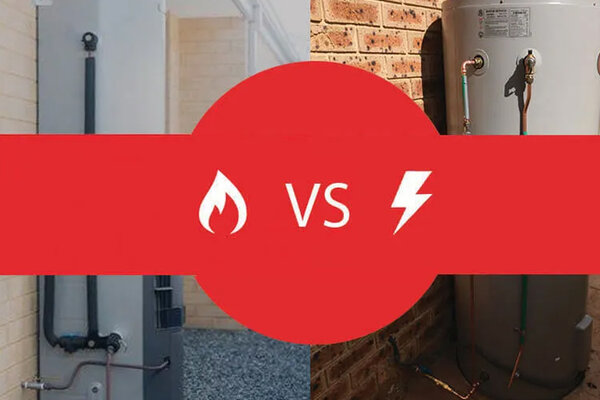
The Operating Costs Of Electric And Gas Powered Water Heaters
Gas-powered water heaters are generally more efficient than electric ones due to the lower natural gas prices. While the above formula can help you determine the cost, this can be further refined by including other variables.
For instance, the amount of gas your water heater uses depends upon its EF or Energy Factor rating, and a higher rating indicates greater efficiency. The most efficient water heaters usually have a rating of around 0.67. So, always use alternative power sources, like solar hot water or heat pump water heaters. A heat pump can be three and a half times more efficient than a conventional ‘kettle-style’ electric heater. For gas, instantaneous and gas-boosted solar water heaters, the running costs and greenhouse emissions take the electricity use into account.
Power Consumption Of Tankless Water Heaters
Tankless water heaters save power because they don’t store hot water. Their efficiency depends on usage, which typically averages around two hours a day.
This makes them about 24-34% more efficient than tank-based ones in households using 155 litres or less water. Similarly, they are 8-14% more efficient in homes using 325 litres. However, purchasing and installing such systems is costlier than tank-based ones and may require replacing your home’s wiring.
Ways To Reduce Your Electricity Bill

No matter if your water heater runs on gas or electricity, here are some tips to help you cut down on your bills.
1. Lowering The Thermostat
The thermostat of most water heaters is generally set to 60 degrees, but lowering it to 50 degrees can provide enough hot water while reducing the risk of scalding.
2. Reducing Your Shower Time
Reducing the time you spend in the shower won’t only help save water, but it is another effective method that can help lower your energy use. Also, you can turn off the shower while soaping up and turn it on again while rinsing.
3. Installing Low-flow Shower Heads And Taps
There are different types of taps for your kitchen and bathroom. If you install low-flow showerheads and aerated taps, the volume of heated water drawn is significantly reduced, thus lowering overall energy consumption.
4. Insulating The Tank
An insulating blanket can help prevent heat loss from the water tank, reducing the heat required to warm the water again.
5. Selecting The Right Tank Size
Determine how much water your family needs and select a tank size accordingly. The tank should be able to hold enough water to meet everyone’s needs but not so large that much of the energy required for heating the water is wasted.

Choose Your Water Heating System Wisely
The energy use of water heaters can differ widely based on the type, model, and other factors. But the formula we provided makes it easy for you to work it out.
Before deciding what type of water heating system you want to install in your home, calculate the cost of a hot water system. When considering the overall cost, make sure to take into account the cost of installation and regular maintenance. All water heating systems must comply with the national heated water standard AS/NZS 3500.4, which mandates water storage at a minimum of 60°C to inhibit bacterial growth like Legionella, paired with certified tempering valves to safely deliver water at 50°C to personal hygiene taps. Specific models, such as solar or gas-powered, result in more significant energy savings but are expensive to purchase and install.
At Fixed Today, our licensed Sydney plumbers provide honest, consultative advice to help households calculate their energy demands and choose the right hot water system. Sydney families have trusted and returned to our team across decades (since 2011). When you call, our team asks a few quick pre-dispatch screening questions about your household size, peak usage hours, and available fuel tariffs (such as continuous gas vs off-peak controlled load electricity or solar heat pump) so our technicians arrive prepared with matching heating elements, valves, or complete energy-saving units. Operating under NSW Fair Trading Contractor Licence 305428C, our licensed plumbers inspect your system on site, explain the running costs clearly, and walk you through every step with transparent upfront pricing before starting any work. Contact Fixed Today to optimise your home’s hot water efficiency today.