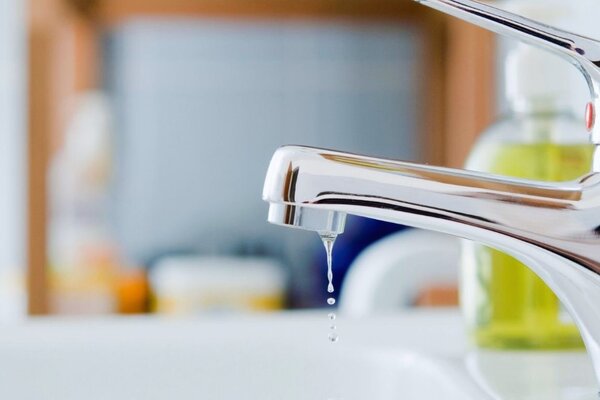
Ever turned off your tap only to hear that annoying drip.. drip.. drip? You’re not alone.Leaking taps are one of the most common household issues across Australia. While a minor leak might seem harmless, over time it can waste thousands of litres of water and push up your utility bills. But not all taps are created equal, and the technology behind them has come a long way.
Gone are the days when every leaky tap could be fixed with a rubber washer. These days, many modern homes use ceramic disc taps, sleek, durable, and smooth to operate. But when they start to leak, fixing them isn’t always straightforward.

In this article, we’ll walk you through how ceramic disc taps work, what causes them to leak, and how plumbers go about diagnosing and repairing them. You’ll also learn why tackling these leaks is best left to professionals.
What are Ceramic Disc Taps
Ceramic disc taps have quickly become the go-to choice for modern Australian bathrooms and kitchens, and for good reason. Instead of relying on rubber washers that compress to stop water flow,
Ceramic disc taps use two precisely fitted ceramic discs. When the discs align, water flows through. Twist the handle, and the discs rotate to block the flow.
Compared to older washer-based taps,ceramic disc taps offer a smoother turn and a more refined feel. They’re also built to last, with less wear and tear over time, assuming they’re properly maintained.
Another reason they’ve gained popularity is their ability to handle higher water pressure without springing leaks. They’re not just efficient; they’re also more stylish and easier to operate, particularly for those with reduced hand strength.
That said, they’re not immune to problems. Most leaks in ceramic disc taps don’t come from the spout or the body of the tap itself. Instead, the culprit is usually the cartridge, the mechanism inside that houses the ceramic discs. When the cartridge fails, it’s time for a repair or replacement.
Common Causes of Leaks in Ceramic Disc Taps
So what causes these advanced taps to leak? There are a few usual suspects.
First,mineral deposits from hard water can build up over time, damaging the smooth ceramic surfaces. Once scratched or misaligned, the discs can no longer form a proper seal, leading to drips.
Daily use is another factor. Even the toughest materials wear down eventually. Years of twisting, turning, and water pressure can slowly break down the cartridge.
Poor installation or using cheap, non-compatible cartridges can also lead to early failure. If the cartridge isn’t seated properly, or if it’s made with substandard materials, leaks are almost guaranteed.
And don’t forget about the seals.O-rings and rubber gaskets that sit around the cartridge can degrade, especially in older taps or in areas with fluctuating water temperatures.
Spotting these issues early can save you time, money, and a whole lot of frustration.
Signs You Need a Cartridge Replacement
Wondering if your tap’s ceramic cartridge is on its way out? Here are some common warning signs.
If water keeps trickling after you’ve turned off the tap, that’s a big clue. The ceramic discs inside might not be sealing properly anymore.
A handle that feels too stiff, or too loose, can also point to cartridge trouble. You might also hear strange grinding or squeaking sounds when turning the tap on or off.
Inconsistent water pressure or fluctuating temperatures are further signs that the cartridge isn’t regulating flow correctly. And if you notice water leaking from the base of the tap or around the spout, don’t ignore it.
These issues might seem small, but they can worsen quickly. While it’s tempting to jump to conclusions, cartridge problems are often misdiagnosed. That’s why it’s smart to have a licensed plumber take a look. They’ll know what’s really going on behind the handle.
How Plumbers Diagnose the Issue
When a professional plumber arrives to check your leaking tap, they don’t just start pulling things apart. Diagnosis comes first.
They’ll begin with a thorough inspection, checking water pressure, looking for visible signs of wear, and accessing the cartridge without damaging the tap’s housing. This step often reveals whether the issue lies with the cartridge itself, a worn-out O-ring, or a damaged valve seat.
Using specialised tools, plumbers can dismantle the tap without leaving scratches or overtightening components, which often happens in DIY attempts.
They’ll also isolate the water supply to avoid mess or accidental flooding, a simple step that’s often overlooked at home.
Professional plumbers bring experience, precision, and the right equipment to the job. It’s not just about fixing the leak; it’s about doing it cleanly and correctly the first time. That’s what makes the difference between a quick patch-up and a long-term solution.
Step-by-Step: How a Plumber Fixes a Ceramic Disc Tap
Fixing a leaking ceramic disc tap might look easy on YouTube, but the real work takes knowledge, patience, and the right gear. Here’s how a licensed plumber tackles the job:
- Turn off the water supply. This stops water flow and prevents accidental flooding while the tap is dismantled.
- Remove the tap handle and collar. This gives access to the inner cartridge. Depending on the tap design, this might involve unscrewing small parts without damaging finishes.
- Inspect the cartridge, seals, and valve seat. Plumbers look for cracks in the ceramic discs, degraded O-rings, or pitting in the valve seat that could affect the seal.
- Replace the cartridge. Using only high-quality, compatible parts, the old cartridge is swapped out for a new one. Using off-brand cartridges can cause the same issue to return quickly.
- Reassemble the tap. Once everything is clean and properly positioned, the tap is put back together and checked for a smooth handle action.
- Test the tap. The plumber turns the water back on and tests for any drips, leaks, or pressure issues.
- Dispose of faulty parts responsibly. It’s not just good practice, it’s environmentally responsible.
Attempting this at home often ends with scratched ceramic, overtightened fittings, or a still-leaking tap. When in doubt, leave it to the experts.
Why You Should Call a Professional
Fixing a ceramic disc tap isn’t always as simple as it looks. A minor slip can lead to bigger leaks, damaged fittings, or a completely unusable tap. Licensed plumbers not only know what to look for, but they also come equipped with quality parts and the right tools to do the job right.

Best of all, professional repairs are usually backed by a workmanship guarantee. That means less stress and fewer surprises.
At Fixed Today, we’ve handled countless ceramic tap repairs across Sydney. If your tap’s giving you grief, we’re just a phone call away, ready to fix it fast.
Preventing Future Leaks
Want to avoid dealing with leaking taps down the track? A few simple habits can go a long way.
Clean your tap’s aerator regularly to prevent build-up and blockages. If you live in a hard water area, installing a water filter can protect your tap’s internal parts from mineral damage.
Avoid over-tightening your tap handles, this puts unnecessary strain on the cartridge.
And lastly,book in for a routine plumbing inspection every now and then. It’s a quick way to catch small issues before they turn into bigger (and pricier) problems.
Smooth Taps, No Drips
Tired of the endless drip-drip? Ceramic disc taps are tough, but even they need a helping hand. Let the team at Fixed Today restore your taps to perfect flow. For fast, friendly tap repairs across Sydney, contact us today, your leak ends here.
A leaking tap doesn’t just waste water, it wastes time, energy, and money. While ceramic disc taps are built for longevity, even they can fall victim to wear and tear. When that happens, don’t reach for a spanner. Call the professionals.
Our licensed plumbers are experienced, equipped, and ready to get your plumbing back on track. So if your tap is misbehaving, give Fixed Today a ring.
We’ll make sure your next turn of the tap is smooth, silent, and, most importantly, dry.