

A good plumbing system, clean water supply and waste disposal are essential for any home or business. When working correctly, it’s convenient and hygienic, but unnoticed problems can cause big disruptions. Many plumbing problems develop slowly, so by the time you notice them, significant damage has occurred. Small leaks, hidden blockages or deteriorating drain pipes can silently damage the structure of your property and cost you thousands of dollars to repair.
Getting your plumbing inspected regularly can spot issues before they turn into major headaches. If you notice inconsistent water pressure or rusty pipes, it’s a good hint that something’s off. Problems with the hot water system can also spell trouble. Without regular check-ups, you might end up facing burst pipes, mould, or even water contamination.
We will examine the signs of pipe damage, self-assessment and when to call in the professionals. Understanding your plumbing system will allow you to maintain a safe and reliable water supply proactively.
Common Signs of Pipe Damage
Pipes deteriorate over time and leak, block, and affect water quality. Detecting damage early will prevent costly repairs and structural issues. Recognising the warning signs will keep your plumbing in good nick.

1. Slow Drainage and Recurring Blockages
Water pooling in sinks or showers means blocked drains. Soap residue, hair and debris build up in pipes and restrict water flow. If the problem keeps returning, the pipes may have cracks or tree root intrusion.
2. Unpleasant Odours from Sinks, Drains or Toilets
A strong smell from drains means debris is trapped, rotting food or stagnant water. Blockages allow bacteria to grow and produce bad smells. Leaking taps or damaged seals can also cause bad smells if the water sits in unused pipes.
3. Discoloured Water or Unusual Taste
Brown or yellow-discoloured water means corroded pipes are leaking rust into the supply. A metallic or bitter taste may mean mineral build-up or contamination. Drinking water from old or damaged pipes is unhealthy.
4. Damp Spots, Mould or Water Stains on Walls and Ceilings
Hidden water leaks cause mould growth, peeling paint and water stains on walls or ceilings. Small leaks create damp conditions that weaken structures and are unhealthy.
5. Unexplained Increase in Water Bills
A sudden surge in usage means big leaks. Undetected leaks waste litres of water daily and increase costs. A professional inspection can find and fix the issue before damage occurs.
6. Strange Noises from Pipes
Banging, gurgling, or whistling pipes indicate trapped air, pressure fluctuations, or failing valves. Unusual sounds often indicate deteriorating pipes or blockages in water flow.
Self-Assessment Plumbing Inspection
Checking your plumbing regularly will prevent damage and expensive repairs. A simple visual inspection will show leaks, corrosion and other plumbing problems before they worsen.
1. Inspecting Exposed Pipes
Look under sinks, in basements, and outside the house for signs of wear on water pipes. Copper and steel pipes will rust or have greenish stains, which is corrosion. Check for cracks, leaks, or bulging sections that might mean pressure buildup.
2. Testing Water Pressure
Weak or inconsistent water supply means blockages or hidden leaks. Turn on multiple taps to see if pressure drops. If water sputters or flows unevenly, there’s air in the system or a failing hot water system.
3. Listen for Strange Noises
Banging, gurgling, or hissing means plumbing problems. Drain backups cause gurgling sounds in drains, and hissing means a leak in the pipes. Banging also means loose pipes or a sudden pressure change.
4. Toilet Leak Test with Food Colouring
A leaking toilet wastes water and increases bills. Add a few drops of food colouring to the cistern and wait ten minutes. If colour appears in the bowl without flushing, the toilet has a hidden leak that needs fixing.
5. How Often to Inspect Your Plumbing
Homeowners should have their pipes inspected at least twice a year. Seasonal changes, high water usage and ageing plumbing fixtures can all cause wear. Regular checks will prevent the need for unexpected pipe replacement.
Professional Plumbing Inspection: When to Call a Local Plumber

DIY inspections can catch things on the surface but often miss the bigger hidden issues. That’s where professional inspections step in, they go deeper and offer precise diagnoses and long-term fixes. Hiring a local plumber helps nudge problems early, preventing unexpected breakdowns and costly repairs in the future.
Pro plumbers have all the advanced gadgets to track down hidden leaks, blockages, and structural damage in your pipes. They can interpret the results and guide you with the best solutions. A thorough inspection unveils issues missed by DIY methods, ensuring a more reliable and efficient plumbing system.
- CCTV drain camera inspections: A small high-res camera is inserted into drainpipes to capture real-time footage of blockages, cracks and tree root intrusions. This allows plumbers to pinpoint the exact location of the damage without digging or dismantling pipes.
- Pressure testing for leak detection: A controlled amount of pressure is applied to the water lines to detect hidden leaks. If the pressure drops, a leak is not visible on the surface. This will detect leaks behind walls or underground before they cause structural damage.
- Thermal imaging to find hidden moisture: Infrared cameras detect temperature variations behind walls, under floors, and ceilings. Cooler areas mean water accumulation from leaks so that plumbers can find the source without invasive demolition.
Factors Affecting Pipe Life
Several factors determine how long pipes will last before they start to deteriorate. Knowing these risks will prevent big problems and unexpected repairs.
1. Material Type and Durability
Every pipe material comes with its own lifespan. Take copper pipes, for example, they resist corrosion but might start showing pinhole leaks. Galvanised steel is robust but prone to rust eventually. Meanwhile, PVC pipes stand up to chemicals but can get brittle when the temperatures dive too low.
Poor water quality can damage pipes and contaminate drinking water. Acidic water corrodes metal pipes and shortens their lifespan. Hard water causes mineral build-up and affects hot water efficiency and flow.
2. External Factors
Things like soil movement, pesky tree roots, and harsh weather can wreak havoc on underground pipes. Over time, this leads to cracks, leaks, and joints misaligning, affecting water pressure and racking up repair costs. A pro inspection can catch these issues before they snowball into bigger problems.
3. Household Habits and Pipe Health
Daily use impacts plumbing longevity. Pouring grease down the drain causes blockage, and flushing non-degradable items damages pipes. Over time, these habits weaken the structural integrity of the plumbing system.
4. The Role of a Licensed Plumber
Getting a licensed plumber to check out your pipes can really help keep your system in top shape. They can recommend preventative measures, ensuring you avoid potential health risks from worn-out pipes. With regular maintenance, you’ll enjoy a safe and efficient plumbing system.
Preventative Maintenance Tips for a Healthy Plumbing System
Regular maintenance prevents plumbing failures, reduces repairs and improves overall system efficiency. Follow these tips to keep pipes functioning correctly.
Clean Drain Pipes Regularly
- Flush drains with hot water weekly to clear grease and residue build-up.
- Use natural cleaning methods like baking soda and vinegar to break down clogs.
- Don’t wash food scraps, coffee grounds and hair down sinks to prevent blockages.
Avoid Chemical Drain Cleaners
- Harsh chemical cleaners weaken pipe material and can cause leaks and corrosion.
- Frequent use damages older pipes and increases the risk of cracks and bursts.
- A drain snake or a local plumber is a safer way to clear stubborn clogs.
Install Water Softeners for Hard Water Areas
- Hard water causes mineral build-up in pipes and reduces flow and efficiency.
- A water softener prevents scale deposits and protects plumbing fixtures and appliances.
- Softened water improves water pressure consistency and extends the water heater’s lifespan.
Check Water Pressure Levels
- High water pressure stresses pipes and can lead to leaks and bursts over time.
- Install a pressure-reducing valve to maintain safe pressure levels.
- Check pressure regularly to prevent damage and ensure a stable plumbing system.
Book Regular Maintenance with a Local Plumber
- Professional inspections detect minor issues before they become big problems.
- A local plumber clears out build-up, checks for leaks, and ensures pipes are in good condition.
- Regular servicing extends pipe life and prevents plumbing failures.
Pipe Relining: A Non-Destructive Fix for Pipe Repairs
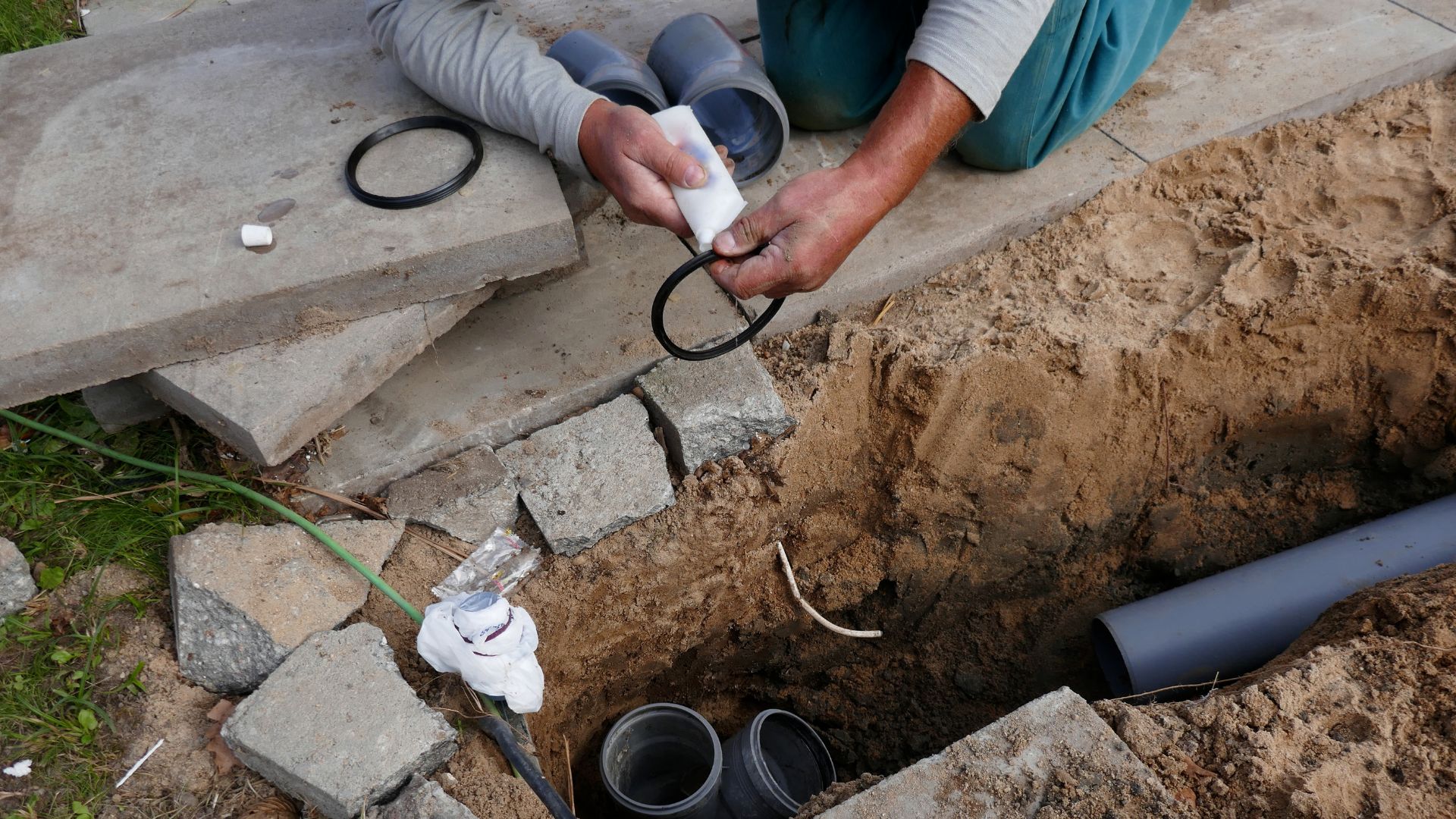
Pipe relining is a trenchless repair method that fixes damaged pipes without digging. Instead of replacing pipes, a professional plumber inserts a durable resin lining inside the existing pipe, creating a seamless, long-lasting solution. This method is used to fix leaks, cracks, and blockages in the main water line and drainage systems.
How Pipe Relining Works
- A thorough inspection using CCTV drain cameras assesses the damage.
- The pipe is cleaned to remove debris and ensure the lining adheres appropriately.
- A flexible resin-coated liner is inserted and inflated to mould to the existing pipe.
- Once cured, the new lining forms a durable, watertight seal inside the old pipe.
Why Homeowners Choose Pipe Relining
- It avoids extensive digging and preserves landscaping, driveways, and flooring.
- It provides a smooth, corrosion-free surface that improves water flow.
- It strengthens pipes, making them resistant to root intrusions and pressure damage.
Benefits of Pipe Relining
- Minimal disruption: No need to remove flooring or dig trenches.
- Cost-effective: Reduces labour and material costs compared to complete replacements.
- Increased durability: Creates a strong internal lining that extends pipe life.
A plumbing inspection will determine if relining is the best option. Early signs like damp spots, low water pressure or minor leaks can indicate problems. Fixing issues before they become major damage prevents costly water damage and ensures a long-lasting plumbing system.
Protect Your Plumbing for the Future
Regular pipe assessments prevent costly breakdowns and interruptions. Small leaks, hidden blockages, and unnoticed damage can become major plumbing failures if left unchecked. Proactive maintenance keeps your system in good condition and reduces the risk of major repairs.
For a smoothly running drainage system, a professional plumbing inspection is key. Pros can spot issues that DIY checks might overlook, like cracks, corrosion, or tree root intrusions. Catching these early enables timely repairs, safeguarding your property from potential damage.
Choosing the experts means safe and efficient plumbing solutions. Experienced plumbers use the latest technology to give you accurate diagnostics and long-term fixes. Whether it’s maintenance or pipe relining, our experts extend the life of your plumbing system.
Fixed Today offers pipe relining services for durable, noninvasive pipe repairs. Contact us for solutions that get your plumbing back to normal without the hassle of digging.


